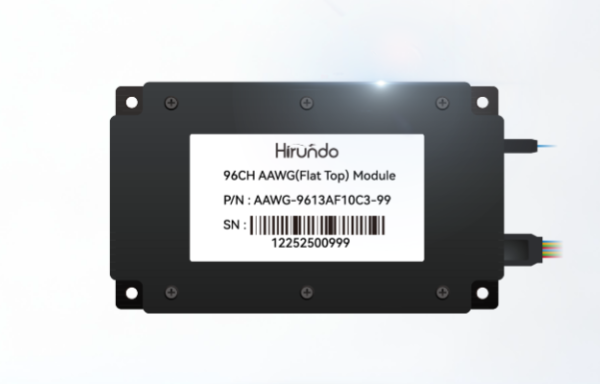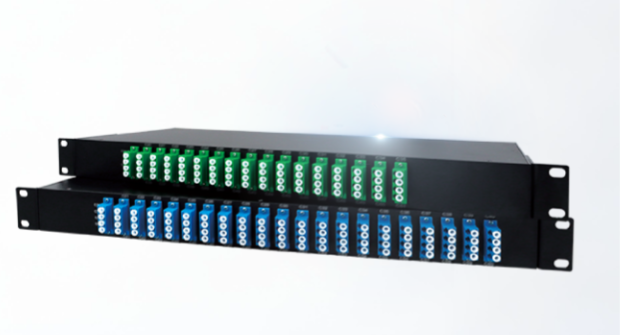
AAWG: The core component of the "optimal solution" for high-density DWDM systems

AAWG: The core component of the "optimal solution" for high-density DWDM systems
In recent years, with the large-scale application of technologies such as 5G, cloud computing and artificial intelligence, global data traffic has grown exponentially, and optical fiber communication networks are facing unprecedented bandwidth pressure. How to carry more and faster data streams within limited spectral resources has become a core challenge urgently to be addressed in the field of optical communication.
To increase capacity, we have to open up more and narrower lanes, and this is Dense Wavelength Division Multiplexing (DWDM). With the increase of lanes, the difficulty of management has also soared. When handling 40-channel, 80-channel or even more channels, traditional thin-film filters (TFFs) gradually expose problems such as large volume, high insertion loss (IL), and poor channel consistency, becoming a bottleneck on system performance.
AAWG: The High-density Integrated Wavelength Division "Brain"
AAWG, namely Athermal Arrayed Waveguide Grating (AAWG), is a dense wavelength division multiplexing device fabricated based on planar optical waveguide (PLC) technology, which was developed precisely to solve this problem. It is based on planar optical waveguide (PLC) technology and integrates complex wavelength division multiplexing functions onto a tiny chip.
Specific performance is as follows:
1. Large capacity and high stability: AAWG can easily support 40 channels, 80 channels or more, which perfectly matches the high channel count requirements of DWDM systems. Its flat channel bandwidth allows wavelength drift within a certain range without compromising performance, eliminating the instability issue caused by an increased number of channels.
2.High integration and excellent performance: Based on PLC technology, AAWG integrates all optical functions onto a single chip, featuring a compact size, consistent performance and low insertion loss, which greatly simplifies the complexity of system integration.
3. Flexible adaptability for future-oriented applications: It supports the C-band, L-band, as well as various channel spacings including 50 GHz and 100 GHz. AAWG is widely applied in long-distance backbone networks, core nodes of metropolitan area networks and Data Center Interconnection (DCI), and serves as the ideal core component for building all-optical networks.
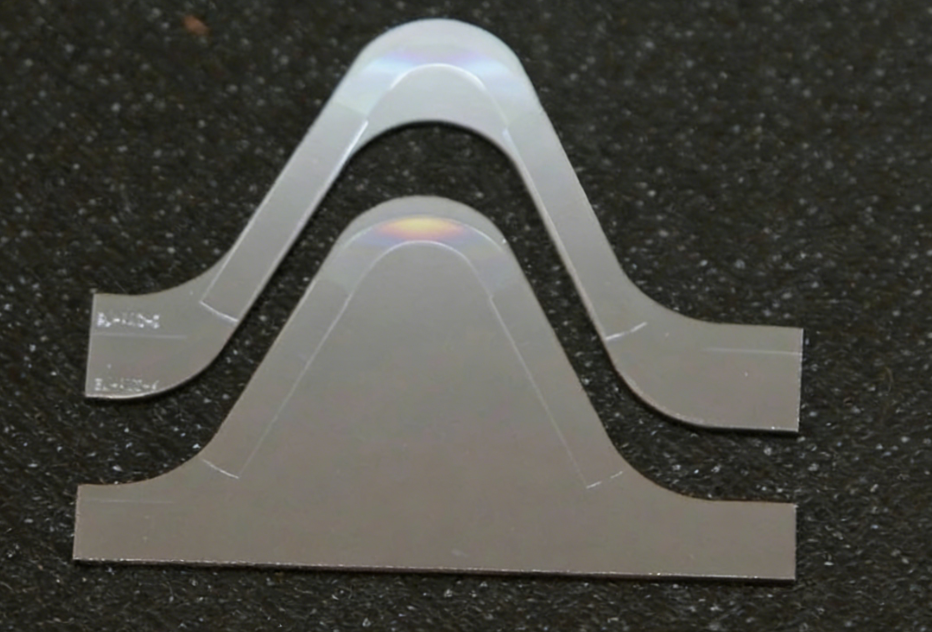
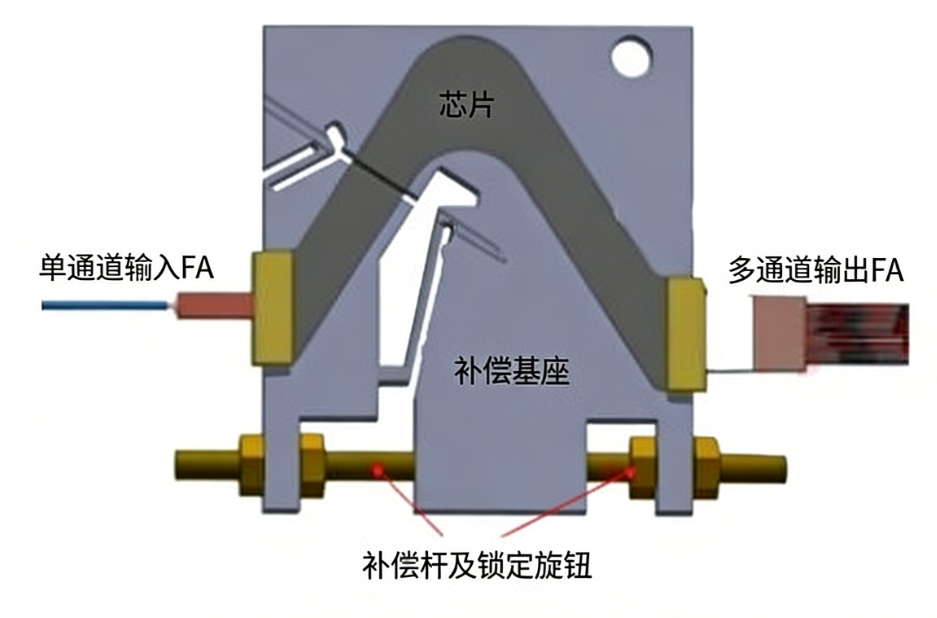
The chip is the core for realizing the function of the arrayed waveguide grating, and its structure is as follows
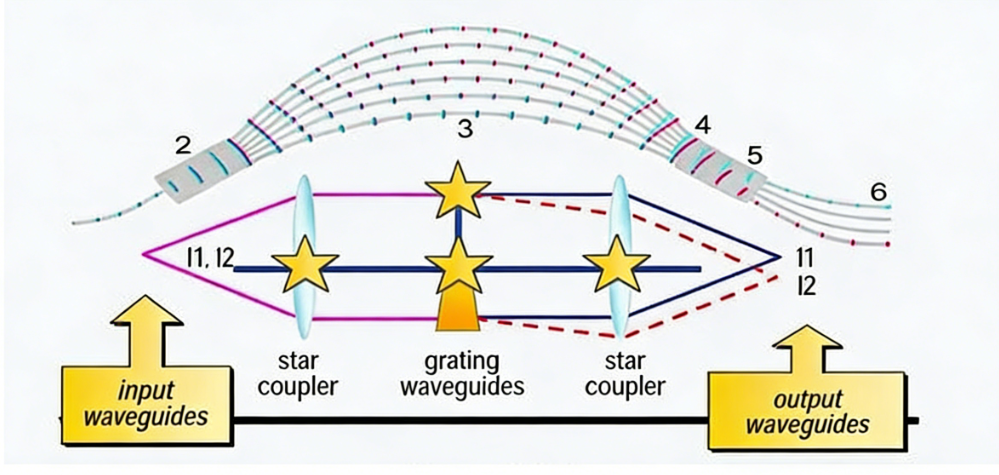
① Input waveguide: Receives external wavelength signals;
② input star coupler: also called planar wave-guide, the wavelength signal is coupled to the array waveguide;
③ Array waveguide: Transmits wavelength signals; the length of each waveguide increases by ΔL in sequence, which generates a fixed optical path difference for the passing optical signals and acts as a grating.;
④ the output star coupler: also called planar wave-guide, the diffraction come out in the focus to the output waveguide wavelength signal;
⑤ Output waveguide: Distributes and outputs signals of different wavelengths to the receiving end.
Gaussian Type vs Flat-top Type
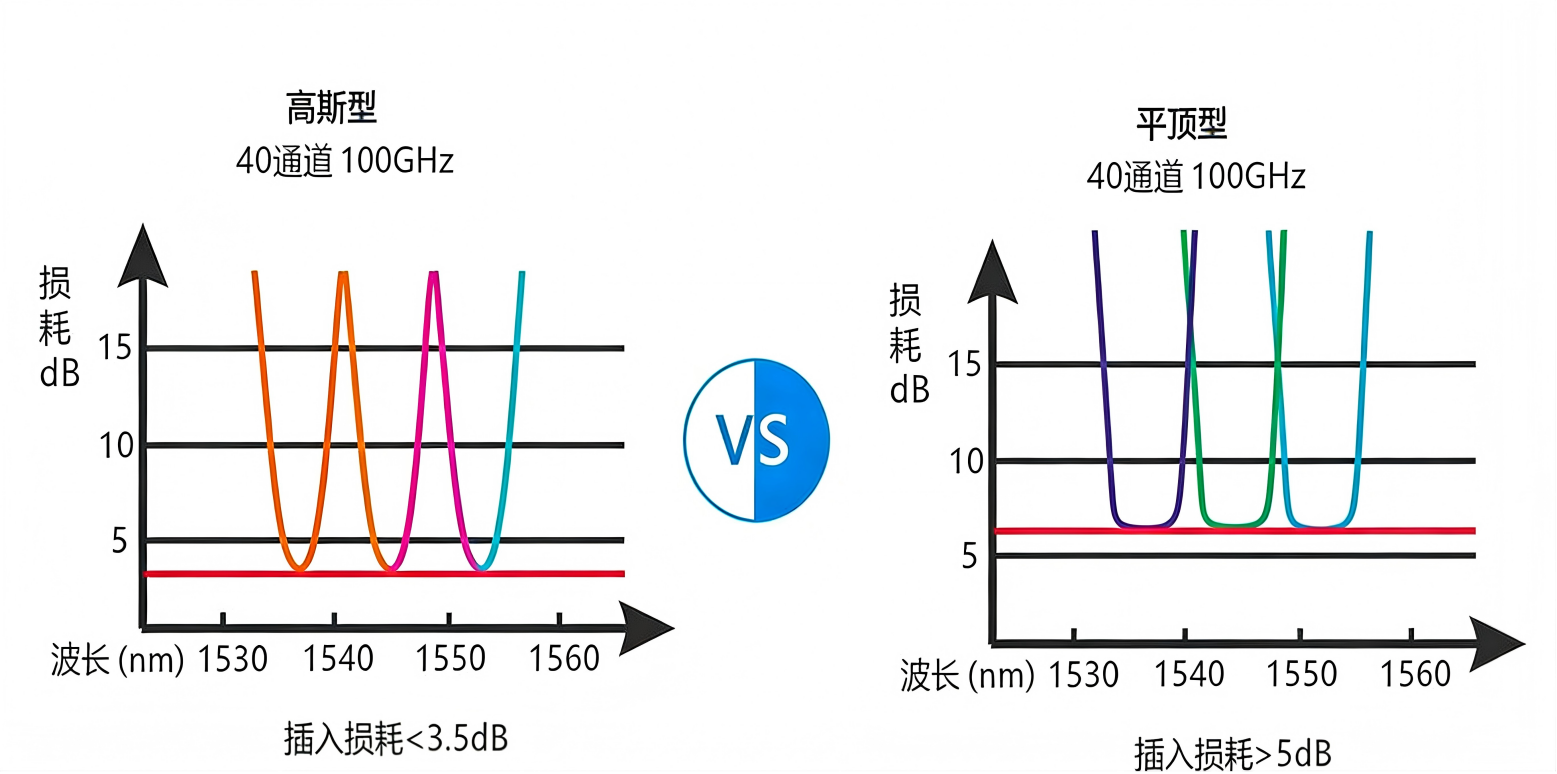
l Gaussian type AAWG: The passband spectrum is Gaussian distribution, with the highest intensity at the center, smoothly decaying to both sides, and no obvious flat area. It is the primary/basic form of AAWG.
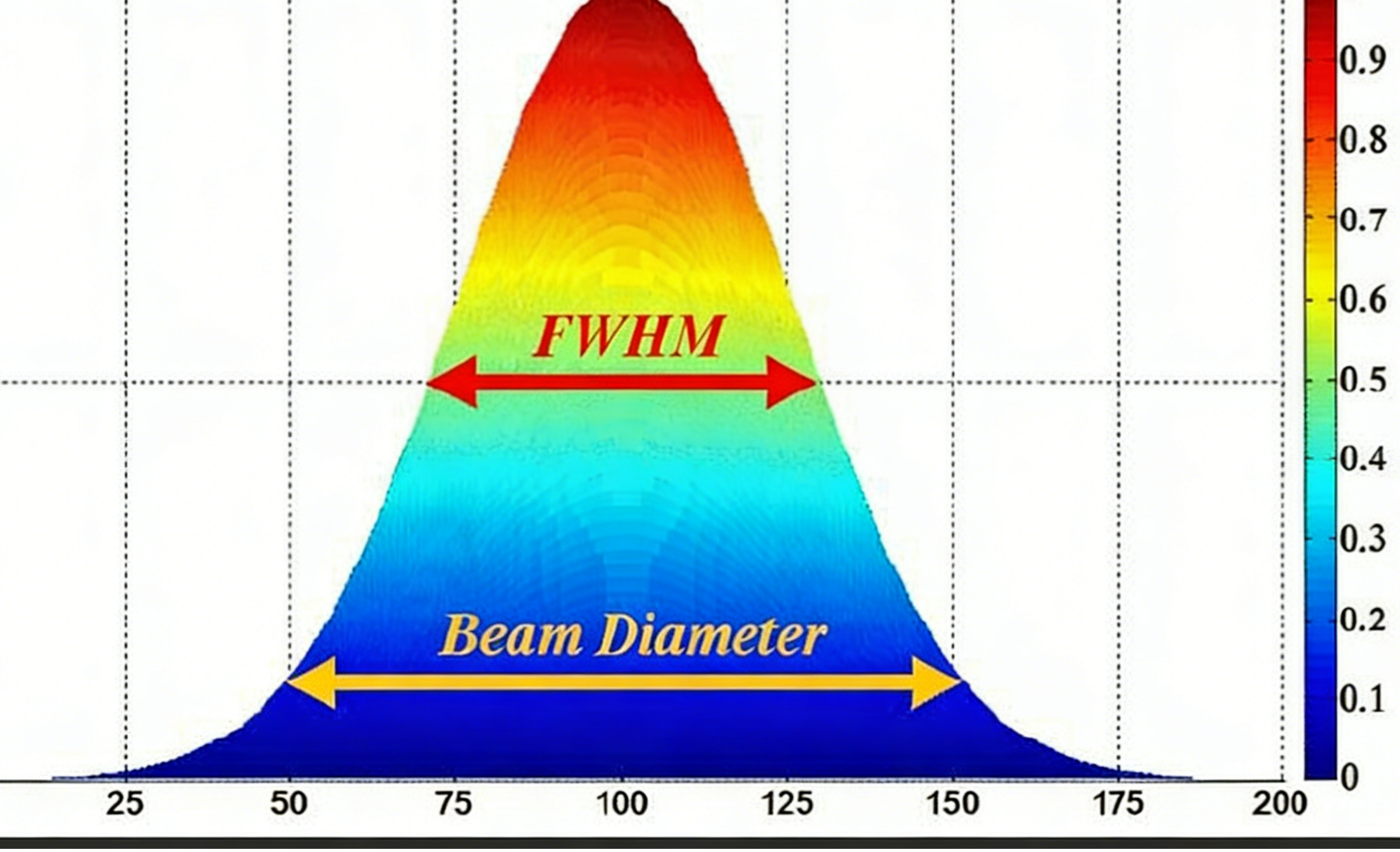
l Flat-top AAWG: The passband top is flat (uniform strength within a 1dB bandwidth), and the edge drops steeply. It belongs to the optimized/flattened type
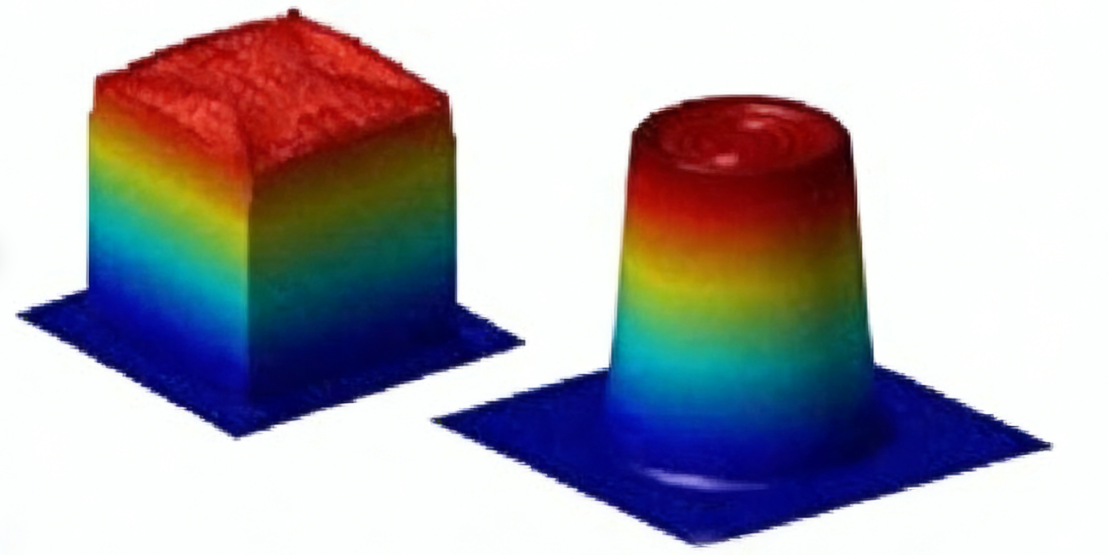
Gaussian AAWG: Precise and efficient, suitable for long-distance transmission
Low insertion loss: No additional flattening structure is required, with high waveguide coupling efficiency.
Narrow bandwidth, high isolation:it is suitable for dense wavelength division and has low adjacent channel crosstalk
low cost:it features a simple structure, mature technology and high reliability
Strong adaptability:it works well with DFB and narrow-linewidth lasers and is suitable for traditional DWDM backbone networks
Flat-top AAWG: Wide, flat and stable, suitable for high-speed scenarios
Wide and flat passband:the intensity is uniform within a 1dB bandwidth, wavelength drift is tolerated, and the system is more stable
High power utilization rate:the passband edge is steep, reducing energy waste
Adapted for high-speed transmission: Supports high-rate signals such as 10G/40G/100G, and is suitable for high-density scenarios including data centers and 5G fronthaul.
Comparison of AWG with other WDM devices
|
device |
Core application |
typical application |
|
AWG |
It features a large number of channels (40/80/96 waves)、 high integration, low cost、 and is suitable for mass production |
Backbone DWDM、data center、5G bearer networks、WDM-PON |
|
TFF(thin film filter) |
It features high channel isolation and good temperature stability |
A small number of wavelengths (≤16 waves)、 high-demand short-range systems |
|
FBG(fiber bragg grating) |
Narrowband filtering, cascaded、 suitable for single-wavelength processing |
Dispersion compensation、 single-wavelength monitoring、 OADMD |
Product Features
Hirundo Optics Inc. can provide full-process technical optimization and one-stop solutions for passive AWG (Arrayed Waveguide Grating) series products, supporting customization of multiple specifications, types and wavelengths.